
The Ibero-American Road Safety Program promotes a new Ibero-American road safety space
The Ibero-American Road Safety Program (OISEVI) concluded an intensive week of institutional meetings in Madrid that strengthened regional cooperation and approved a common roadmap for advancing toward an Ibero-American road safety area. Held from 24 to 26 June within the framework of the 30th Ibero-American Summit of Heads of State and Government, the meetings brought together representatives of the national authorities responsible for traffic and road safety from across the Ibero-American community, along with international organizations, victims' associations, and civil society organizations.
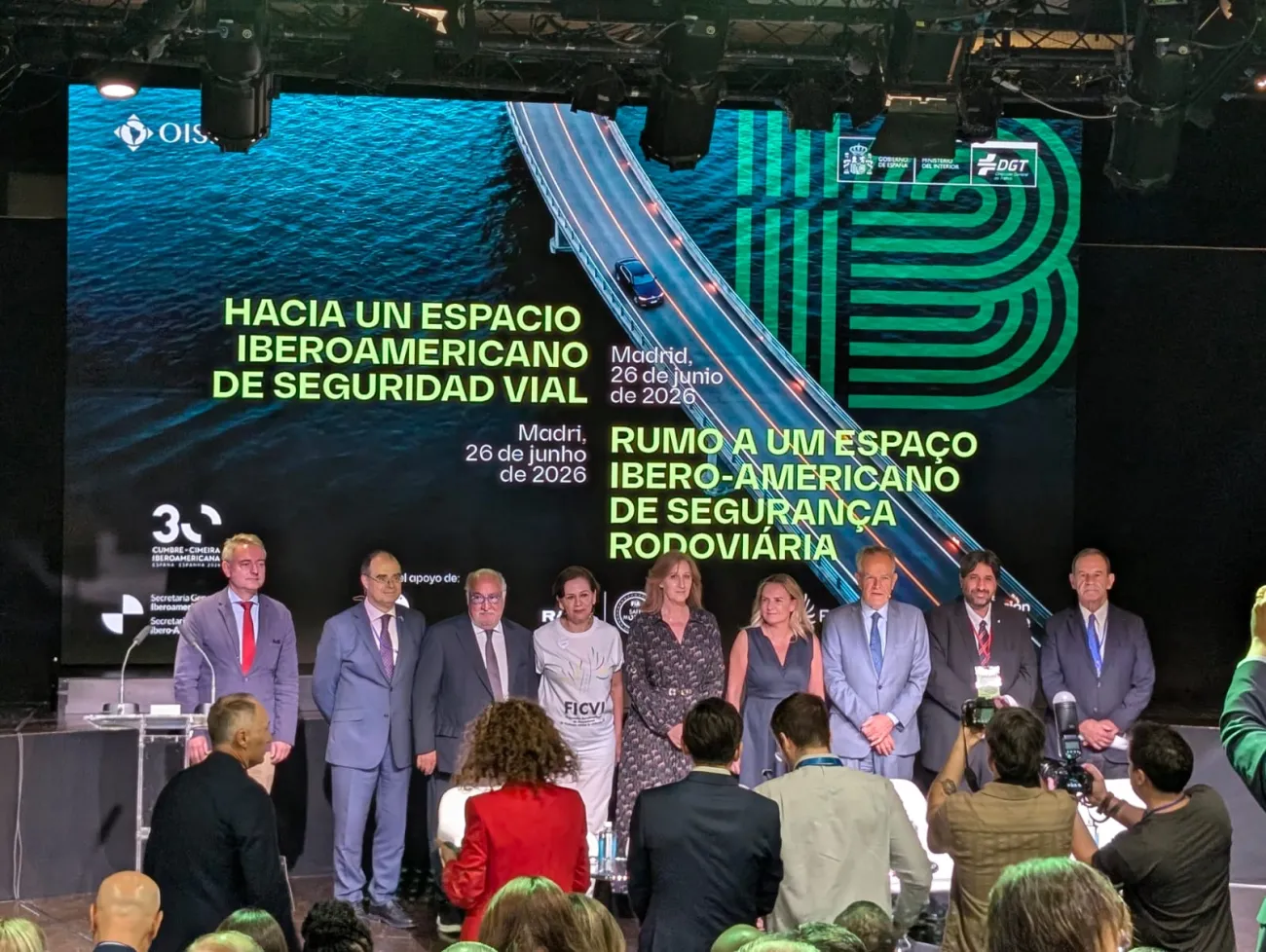
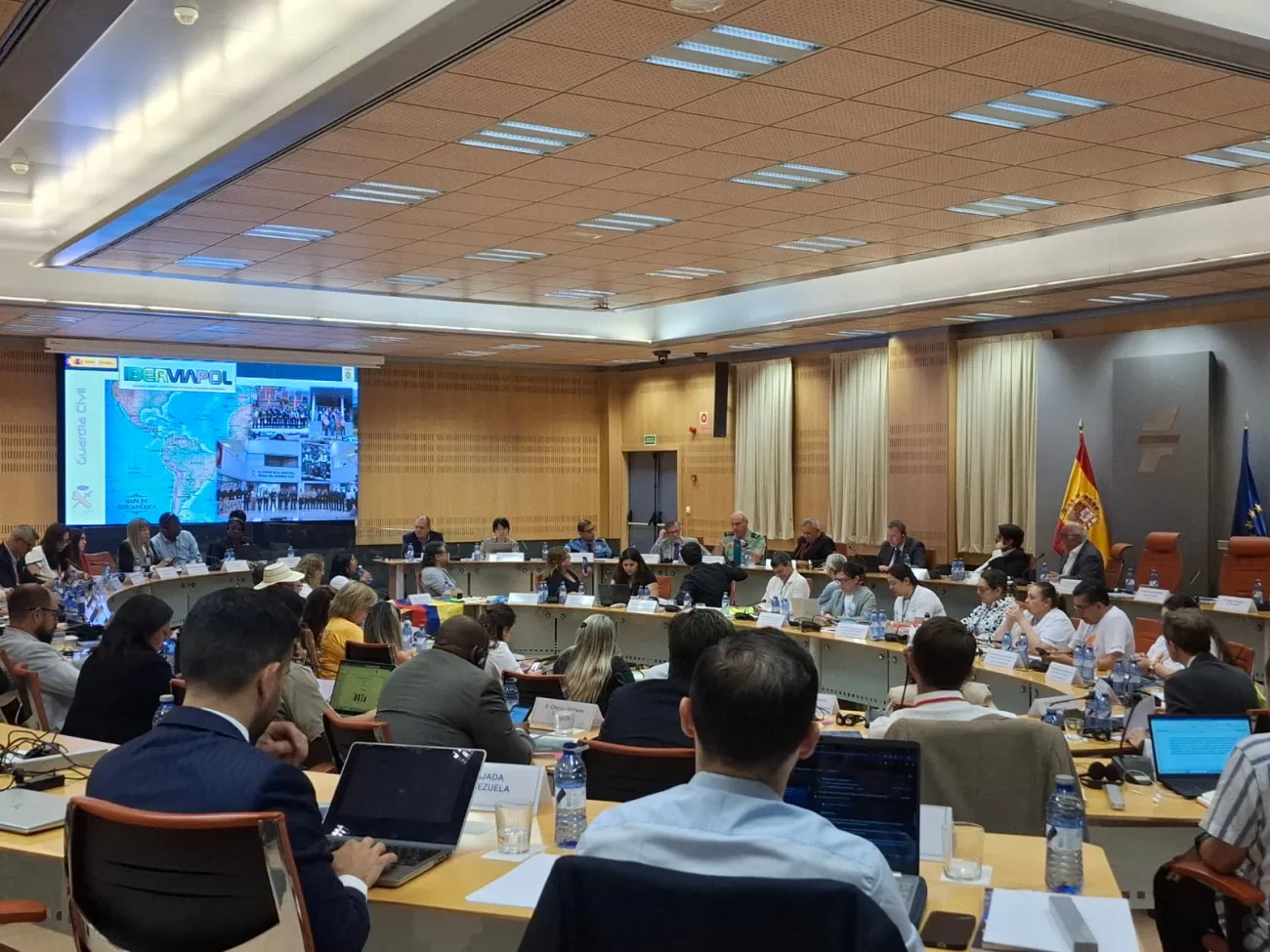

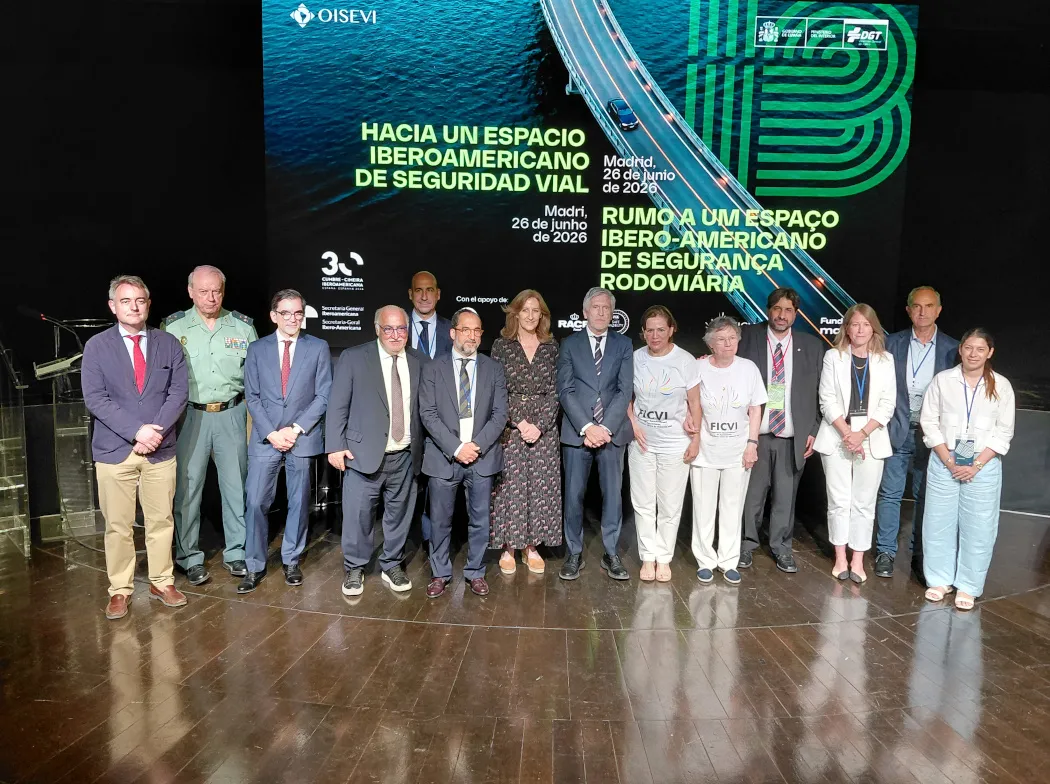

For the first time since the creation of the Ibero-American Summits, road safety had its own dedicated working space within the official activities of a Summit, marking a milestone that reflects the growing importance of this public policy within the Ibero-American system.
The Program brings together the Ibero-American road safety community
The Ibero-American Road Safety Week was organized by the Ibero-American Road Safety Program (OISEVI), with the collaboration of the Ibero-American General Secretariat (SEGIB) and the Government of Spain.
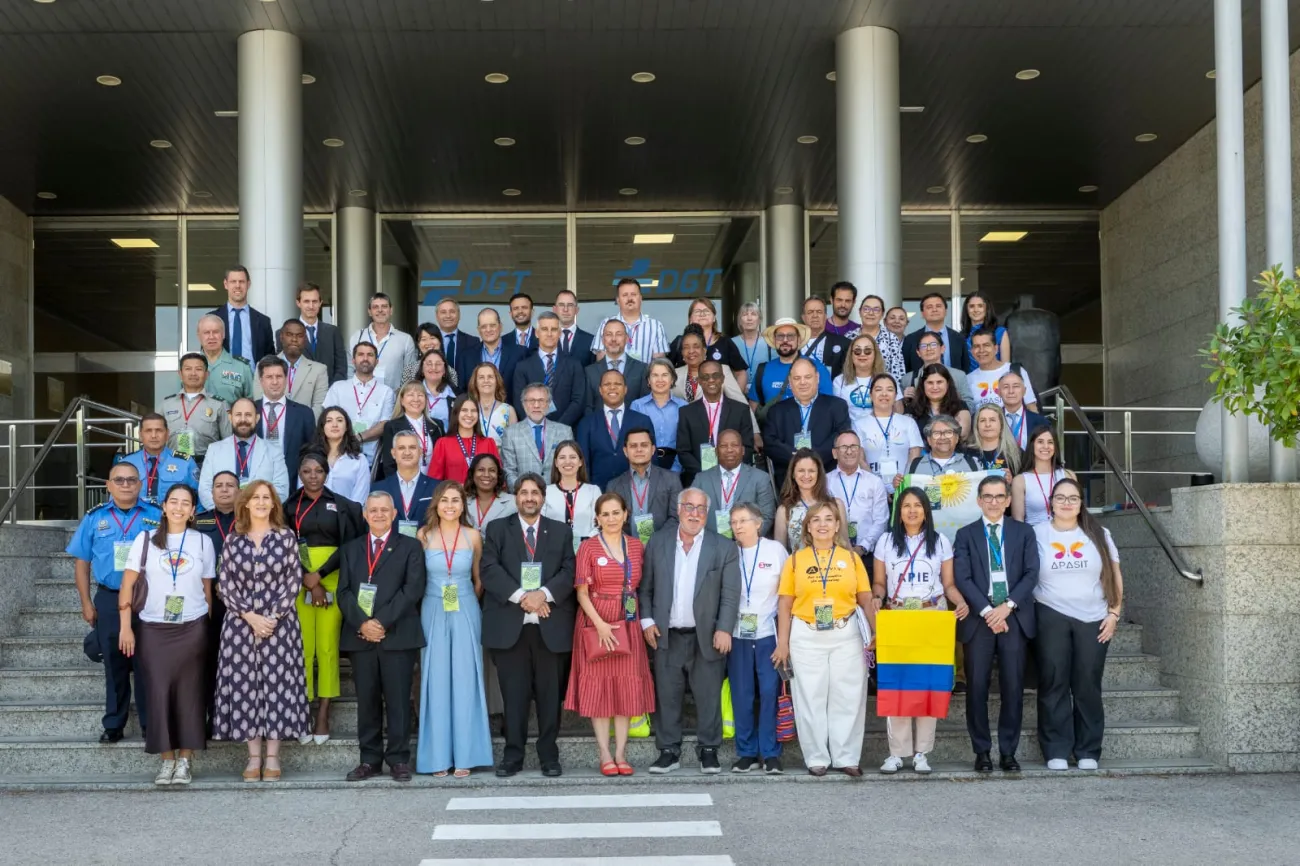
The meetings were attended by representatives from all 22 Ibero-American countries, through their national traffic and road safety authorities and embassies in Madrid, making it the largest gathering to date of the region's national road safety leaders.
The Ibero-American Federation of Associations of Victims of Road Violence (FICVI), which brings together 17 national associations, also held its General Assembly in Madrid and actively participated in the meetings, reinforcing the Program's commitment to involving victims in the design of public policies.
A working agenda to strengthen regional cooperation
Activities began on 24 June with the 12th General Assembly of the Ibero-American Road Safety Program, during which national representatives approved the main lines of action for the coming years and discussed governance, regional cooperation, and the Program's strategic priorities.
The agenda included panel discussions on national road safety strategies, traffic law enforcement and compliance, the role of civil society, and strengthening international partnerships. The Program's Intergovernmental Council also reviewed its priorities for cooperation and future work.
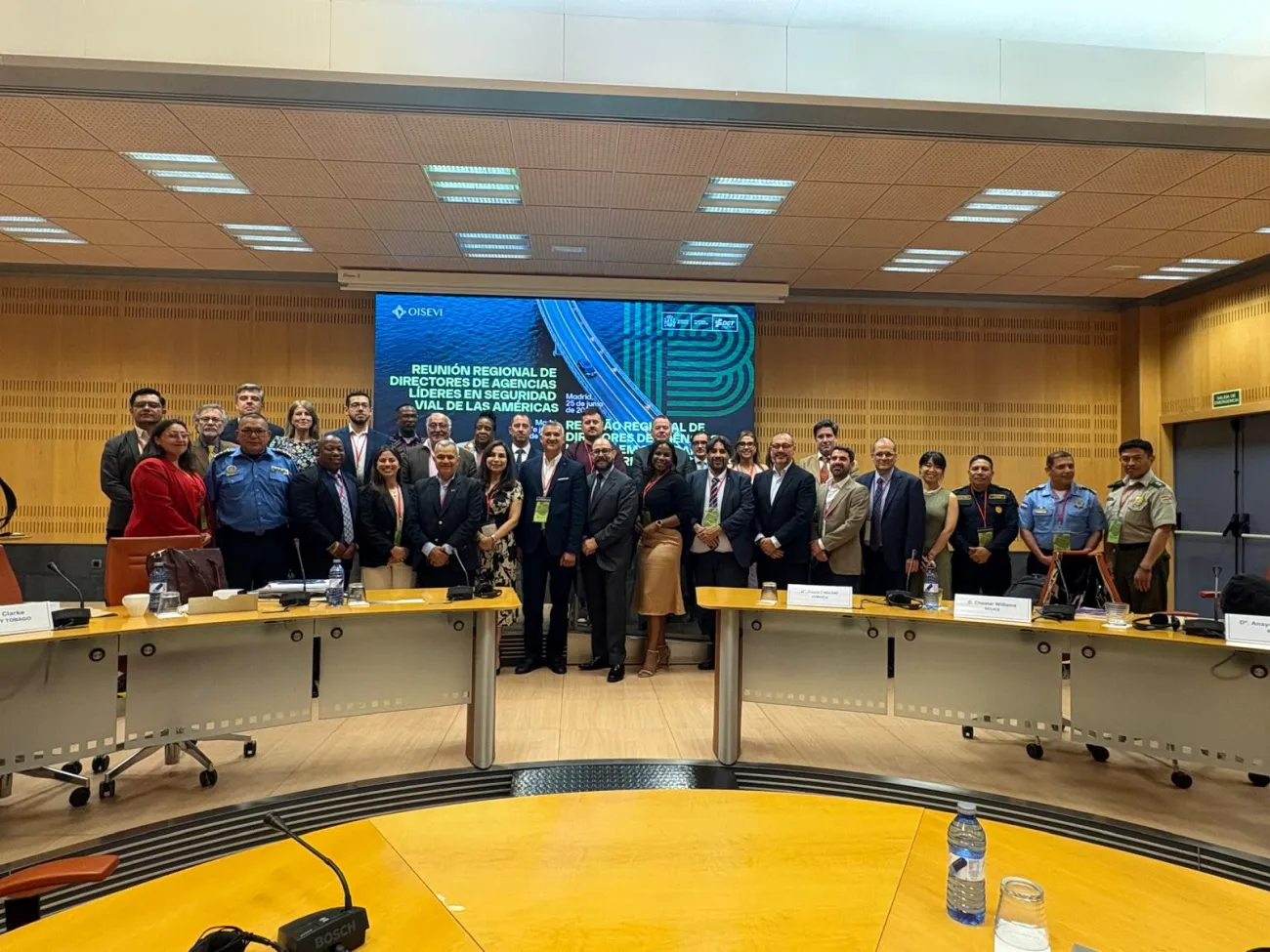
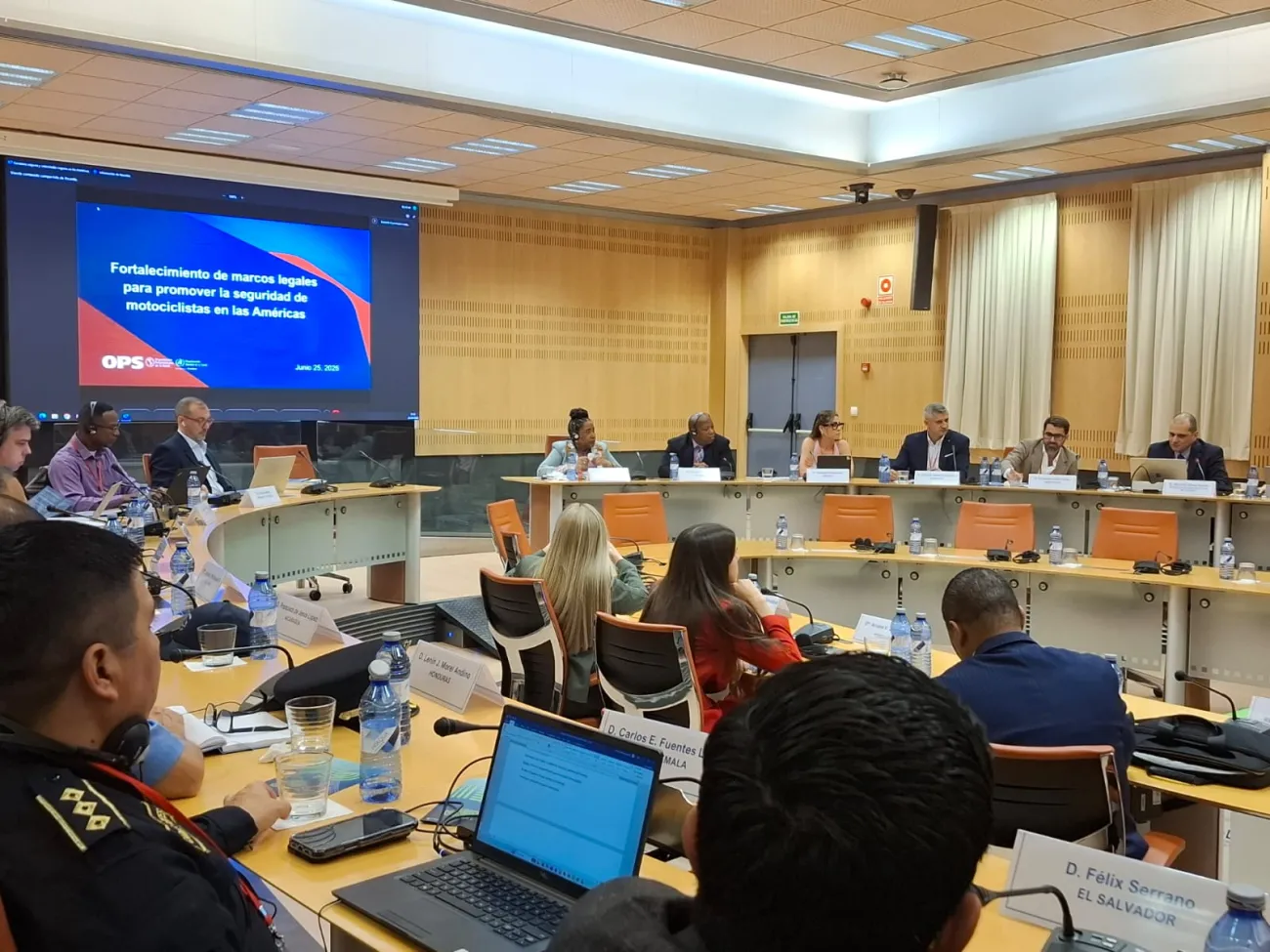
On 25 June, the meeting of the Regional Network of Directors of Road Safety Agencies of the Americas was held, jointly organized by the Ibero-American Road Safety Program and the Pan American Health Organization (PAHO).
During the meeting, participants discussed the role of national road safety agencies, motorcyclist safety, speed management, safe infrastructure, and priorities for the second half of the Decade of Action for Road Safety 2021–2030.
The meeting also represented significant international recognition of the work carried out by the Ibero-American Road Safety Program, which has established itself as the leading regional forum for cooperation among the principal road safety agencies of Ibero-America.
An Ibero-American road safety area
On 26 June, Casa de América hosted the official road safety event of the 30th Ibero-American Summit under the theme "Towards an Ibero-American Road Safety Area".
The event provided the opportunity to present the Ibero-American Strategic Framework for Safe Mobility 2030, conceived as the roadmap to guide regional cooperation throughout the remainder of the decade.
The Strategic Framework proposes strengthening technical cooperation among countries, enhancing institutional capacities, promoting evidence-based public policies, and developing common instruments to advance toward a genuine Ibero-American road safety area.
The Madrid Declaration
The week's main political outcome was the adoption of the Madrid Declaration "Towards an Ibero-American Road Safety Area", endorsed by the participating countries.
The Declaration establishes four major lines of action for the coming years:
- the implementation of the Ibero-American Safe Mobility Index as a tool to periodically assess and monitor the progress made by countries;
- the development of a project for the harmonization of driver's licenses;
- promoting the harmonization of key traffic and road safety regulations, taking international recommendations as a reference;
- and the implementation of the Ibero-American Strategic Framework for Safe Mobility 2030 as the reference for guiding joint action among Ibero-American countries.
The Declaration also provides for regular monitoring of progress and for the results achieved to be incorporated into the political process of future Ibero-American Summits.
A shared commitment to saving lives
Every year, more than 90,000 people lose their lives in road traffic crashes across Ibero-American countries.
With the celebration of this Ibero-American Road Safety Week, the Ibero-American Road Safety Program has taken a decisive step toward consolidating a regional community of cooperation capable of promoting joint projects, sharing knowledge, and advancing more effective public policies to reduce road traffic injuries and fatalities.
The broad participation of governments, international organizations, victims' associations, and partner organizations demonstrates the shared commitment to building an Ibero-American road safety area that contributes to saving lives and improving safe mobility throughout the region.







